
Surgical browsers: What technology do they use?
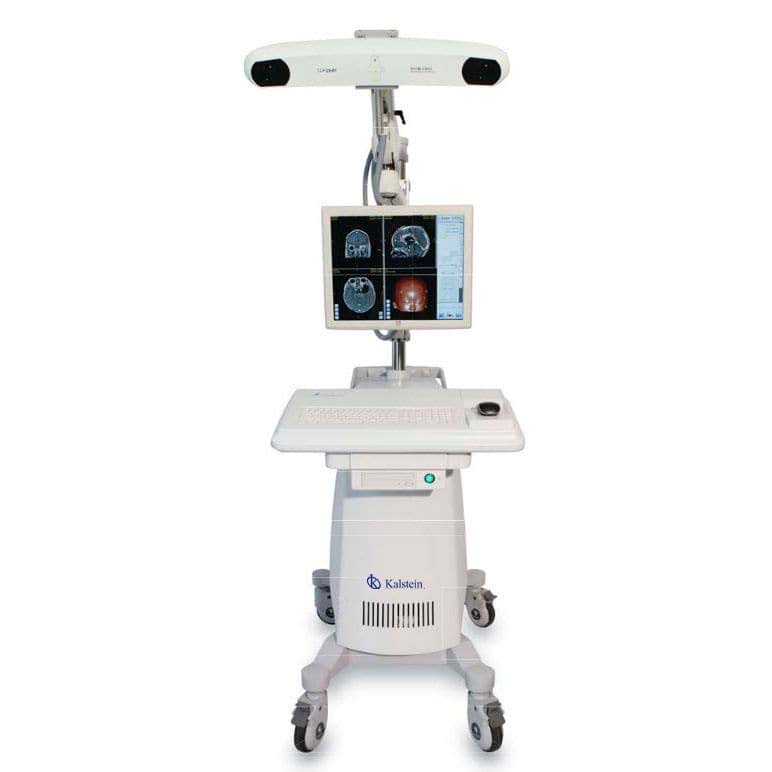
A surgical navigator is a sophisticated medical equipment that is used in the planning and precise execution of surgical procedures in operating rooms, that is to say they act as a guide to other surgical instruments such as the scalpel. Its structure consists of a series of instruments that are connected to screens by sensors with imaging methods.
What is the optical surgical navigation function?
Computer-assisted surgery are methods of computer technology for the realization and planning of a surgical intervention. Optical surgical navigation is considered, the passage of computer surgery as a traditional basic element resulting in touch control, stereoscopic vision, manual dexterity and complete visual control of the surgical field.
How are vital signs controlled through a patient monitor?
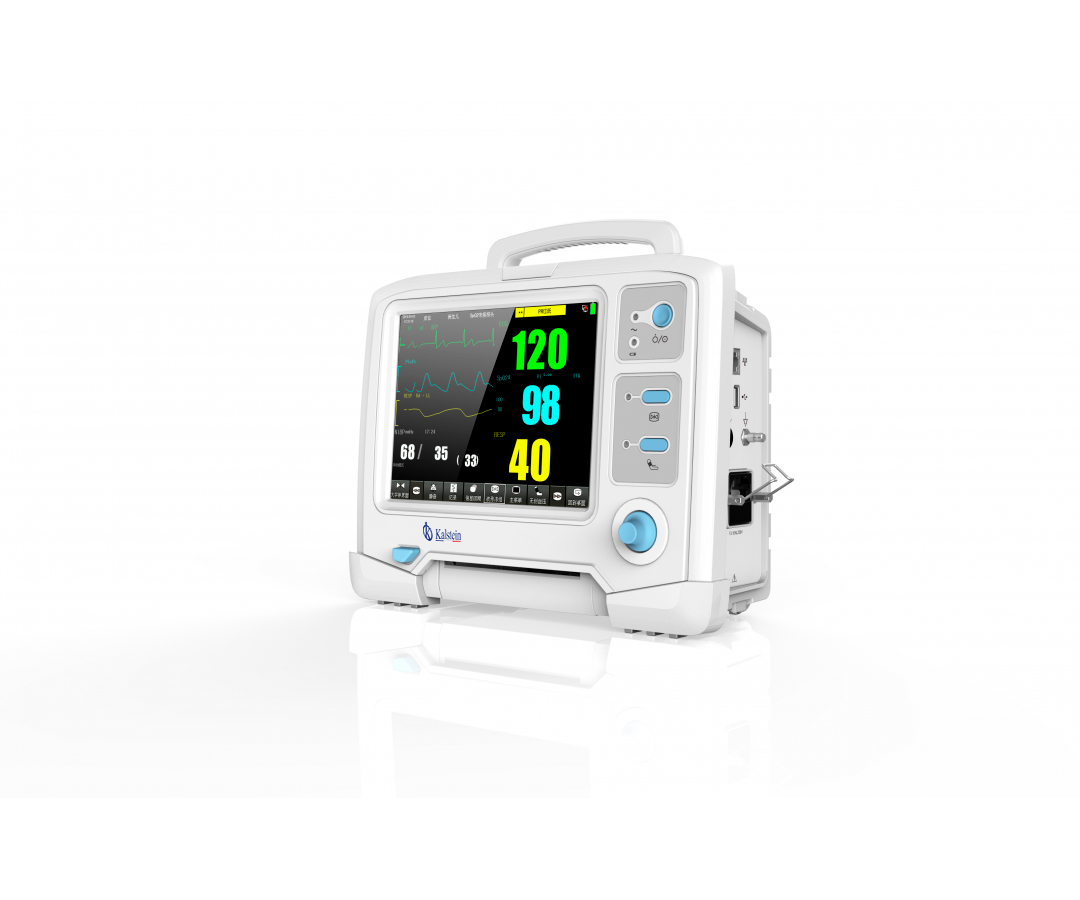
Through the control and management of vital signs, it is necessary to obtain information about the physiological state of the patient, through a monitor, which reflects the values of each sign, these are captured by sensors or electrodes installed in the specific points of the patient’s body.
Patient Monitor, How To Read On A Vital Signs Monitor?
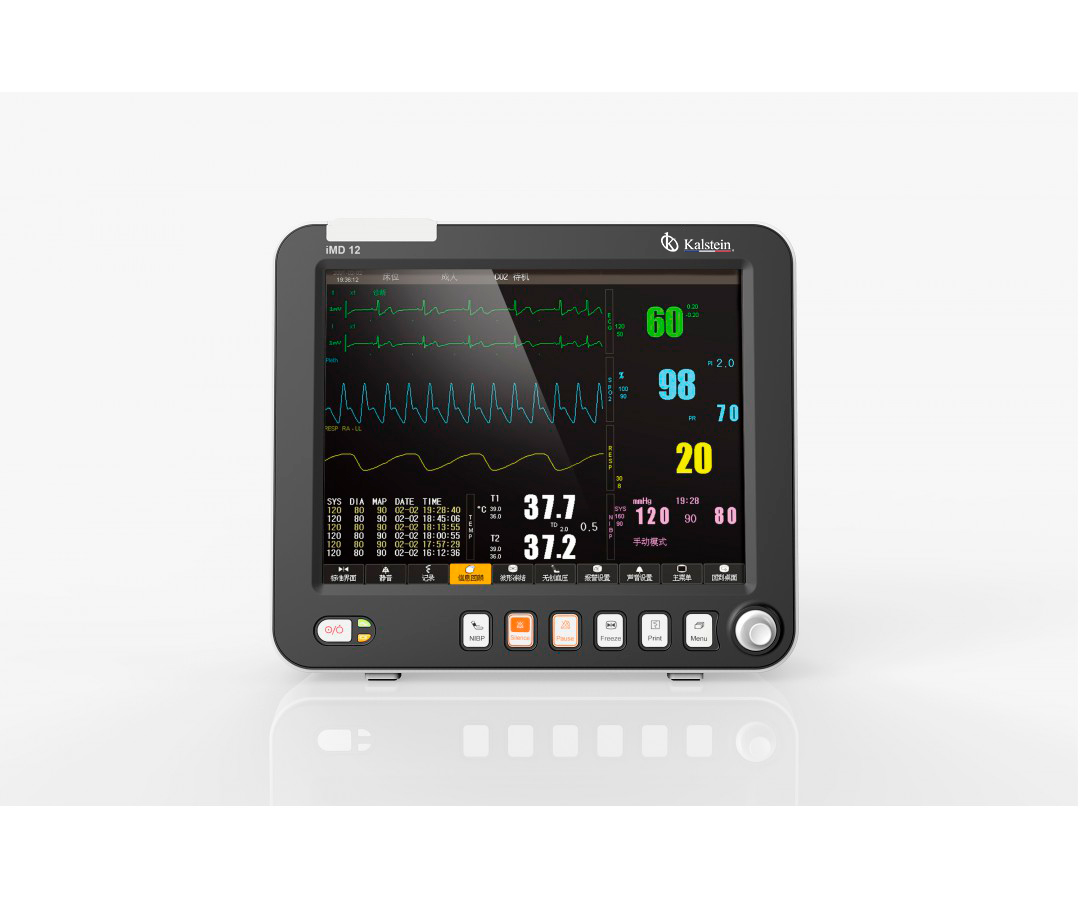
This medical equipment, needed in clinics and hospitals, is used to monitor and control the vital signs of the patient connected to the apparatus and which requires continuous supervision; this device detects, processes and records the physiological and cardiac parameters of the patient, the design of these equipment should be simple to facilitate its use by medical staff, nurses and paramedics.
Methods of Nutritional Assessment of Children with the use of Multiparameter Monitors
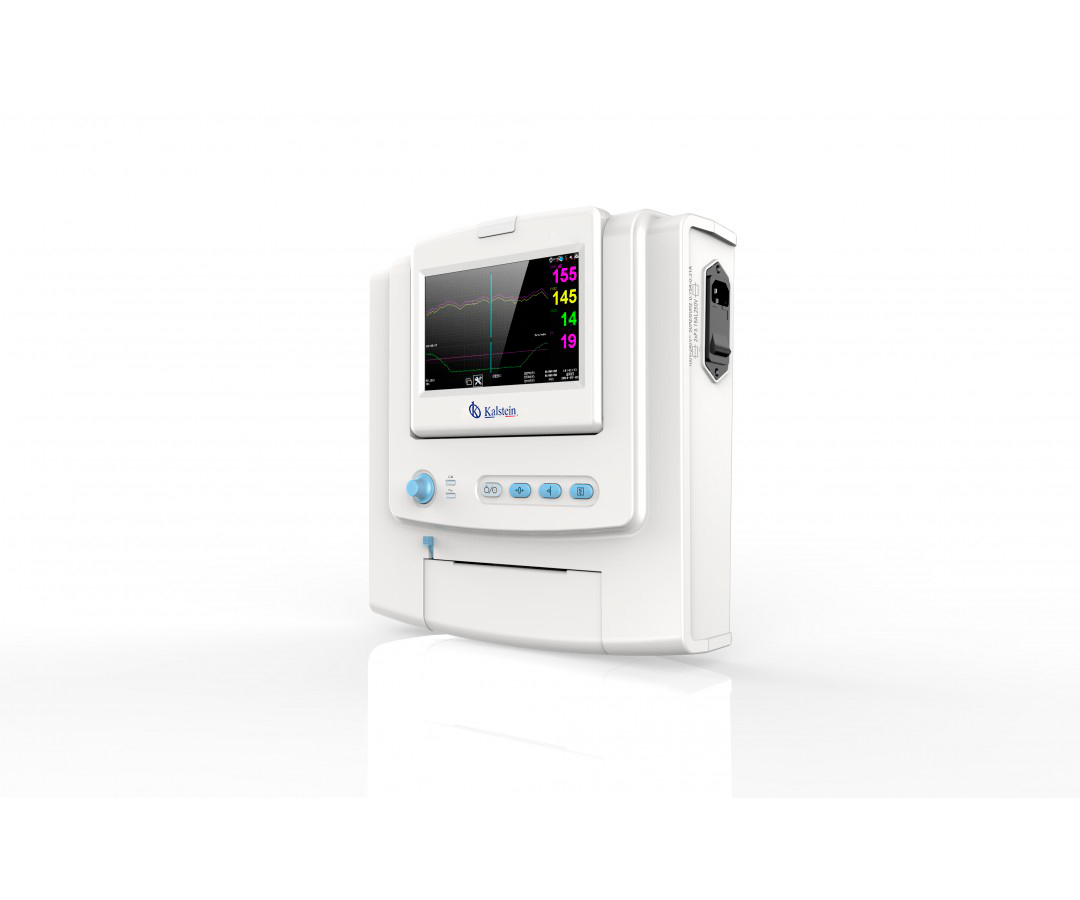
The use of multiparameter monitors has been standardized in the industry and in clinical practice in recent years. These devices are expected to become increasingly popular in the coming years, as they offer a cost-effective and convenient way to monitor people’s health and well-being.
Patient monitor and child monitors: different applications
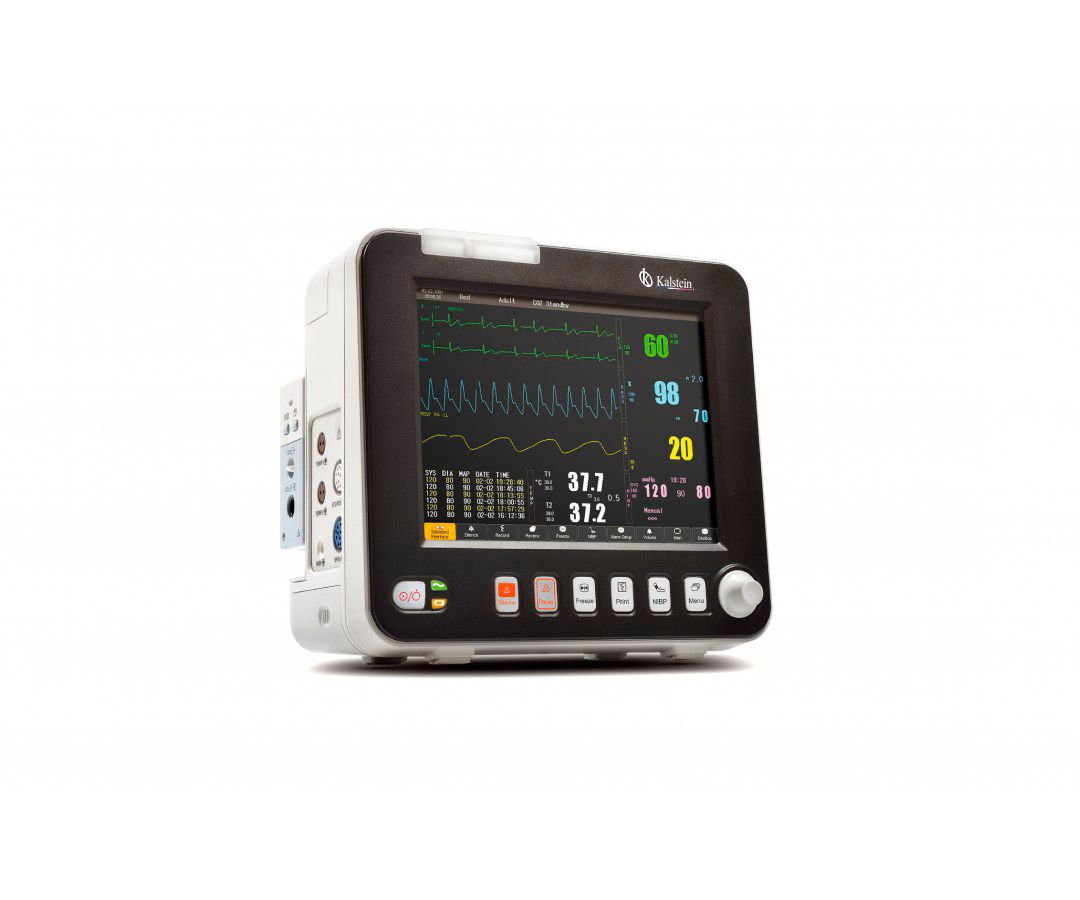
A patient monitor is medical equipment that continuously detects, processes and displays the patient’s physiological parameters such as: respiration rate, blood pressure, body temperature and pulse. This equipment is equipped with an alarm system that alerts medical personnel when there is an adverse situation or outside the desired limits.
Parameters Measured by a Patient Monitor
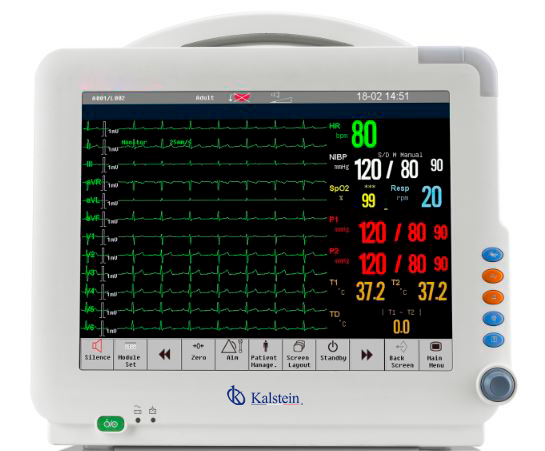
A patient monitor is medical equipment designed to monitor the vital physiological signs of adult patients and children. By real-time recording function and displayed parameters such as ECG, non-invasive blood pressure, body temperature, functional oxygen saturation, etc. allows a comprehensive analysis of the physiological conditions of the patient. The use of this instrument is planned in hospitals and clinical institutions. Operations must only be carried out by qualified personnel.
Patient monitor: rules for use
A patient monitor is a medical device that collects and stores the patient’s vital signs, which together with alarm systems process and record the patient’s parameters. They are equipment capable of providing operating facilities for medical personnel and modern medical practice. Nowadays, these patient monitors collect information of different physiological parameters and store trends and events of arrhythmias.
Safety in the Use of Anesthesia Machines

Safety in the use of anesthetic machines is a matter for health care providers to ensure. They are used to control the amount of anesthesia to enable safe and successful surgery. If the machines are not properly maintained, they can cause serious complications for the patient. Problems such as excessive administration of anesthesia or mechanical defects in the machine that can cause infection can also occur. All these dangers make the safety of using anesthesia machines a top priority.
What is the importance of an anesthesia machine?
Anesthesia machines are medical equipment that guarantee the supply of an exact amount of anesthetic gas to a patient during a surgical process, with the aim that their health is not compromised. They provide safe, adequate, programmed and continuous or intermittent administration of oxygen, medical gases and anesthetic agents; allowing spontaneous or controlled ventilation of the patient.