
Why are Pipettes Important for experiments?
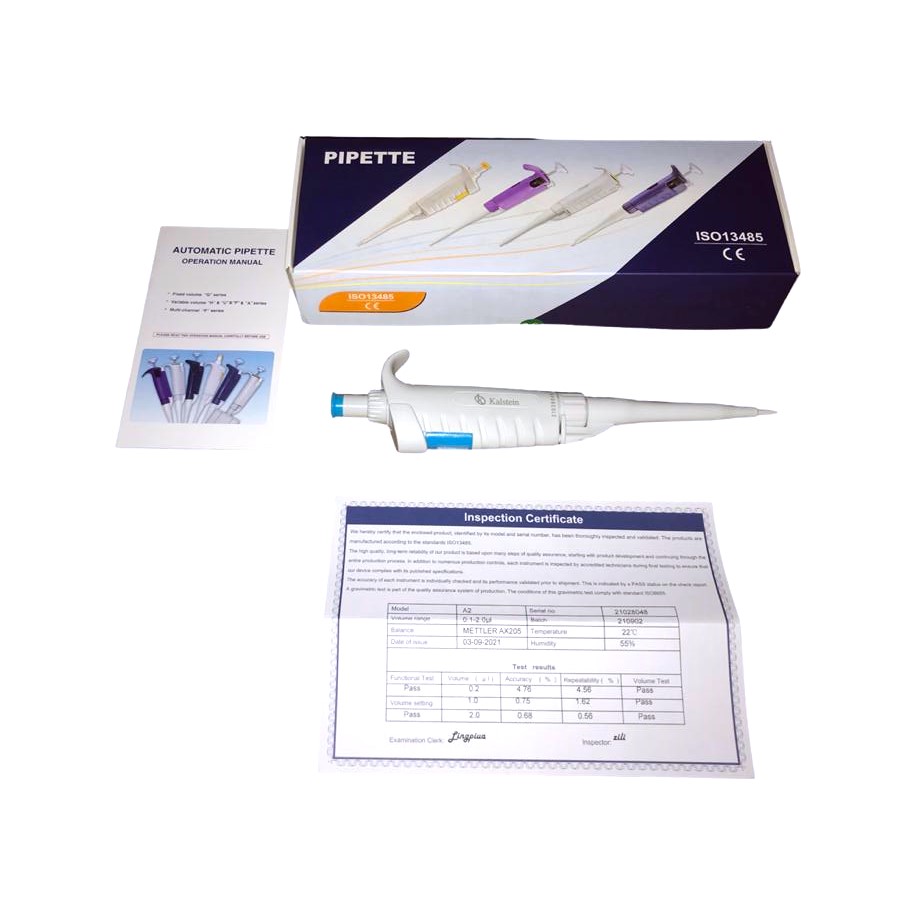
Pipettes are an important tool for many different types of experiments. They are used to measure and dispense small amounts of fluids and are often used in experiments that require accurate measurements.
What is the best material to make Pipettes?
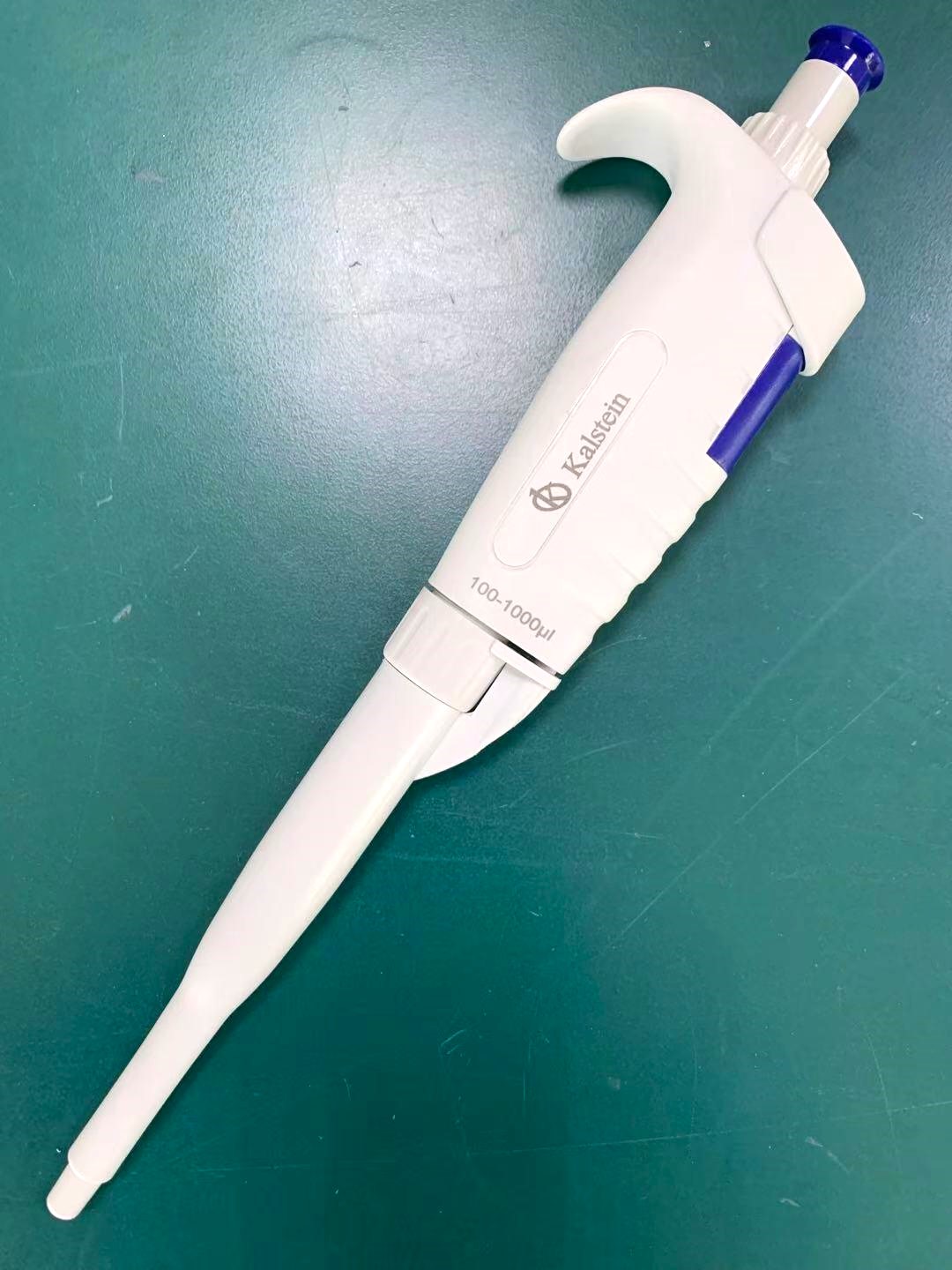
The pipette is a laboratory tool used to measure and transfer small amounts of liquid. They are available in a variety of sizes and materials and are selected based on their intended use.
Pipettes and their importance in the laboratory
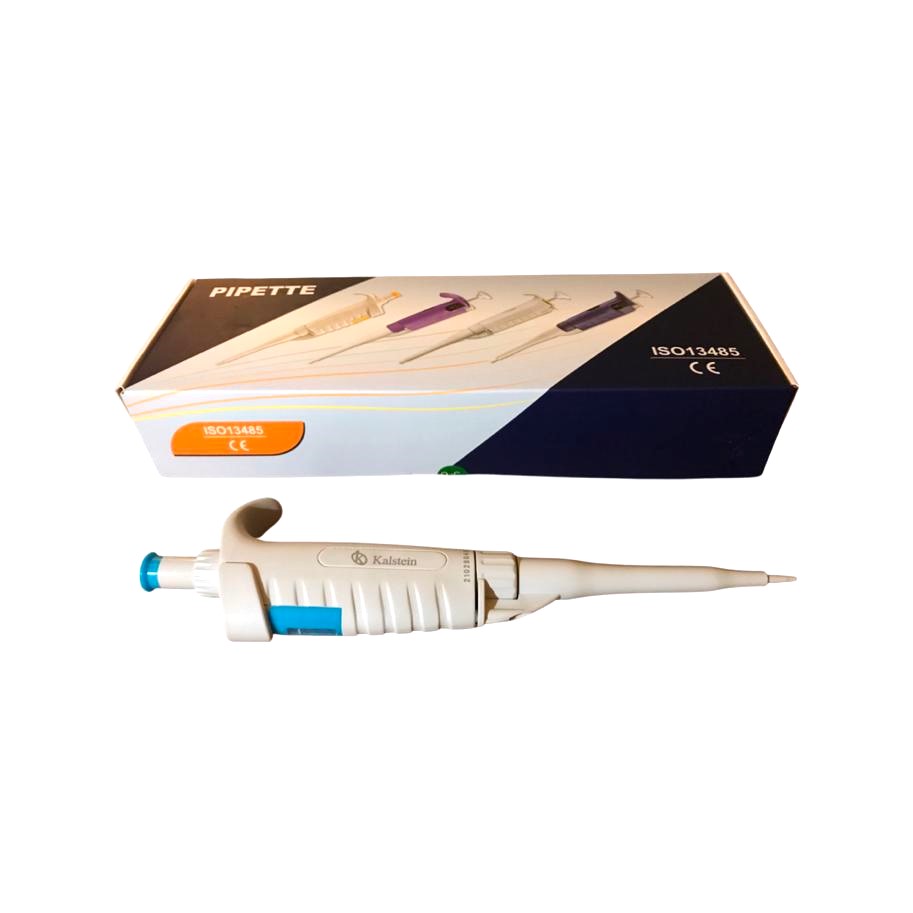
A pipette is a precision tool used in the laboratory to transfer liquids from one container to another. This is a very useful device, as it allows liquids to move with great precision and without spills.
How is a Pipette calibrated?
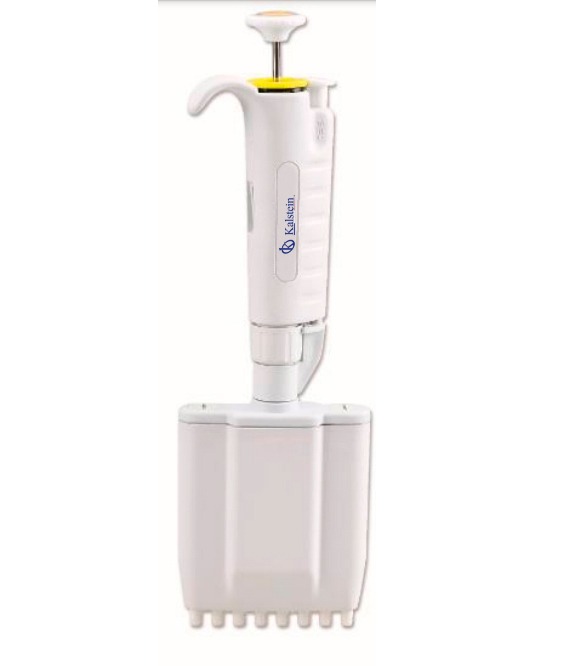
A pipette is a laboratory tool used to accurately transfer or measure small amounts of liquid. The capacity of a pipette and the degree of precision with which the volume of a sample can be measured depend on its design. They are calibrated to ensure accuracy and to establish a known reference for measuring the volume of a sample. Although there are different types and sizes of pipettes, the principle of operation is the same, a small amount of liquid is aspirated into the top of the pipette and then exhaled into the bottom. Pipettes are calibrated regularly to ensure that they remain accurate.
How do I clean Pipettes after using them?
Pipettes are small, thin tubes used to transfer small amounts of liquid from one container to another. They are commonly used in laboratories to measure and dispense small volumes of fluids.
Parameters Controlled in a Climate Chamber?
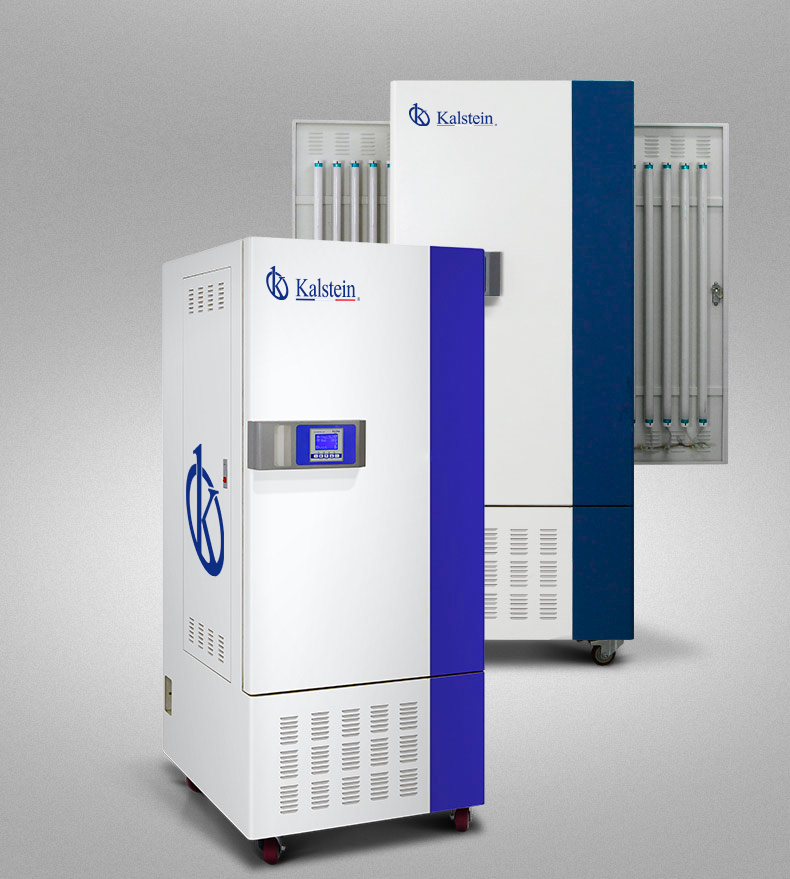
The climatic chamber is a fundamental laboratory instrument to perform a wide range of climatic tests on materials. However, it is very important to discover the descriptions of the climatic chambers, because depending on the operation and possibilities of each climatic chamber, some tests will be practicable or not.
What is a Stability Study Climate Chamber?
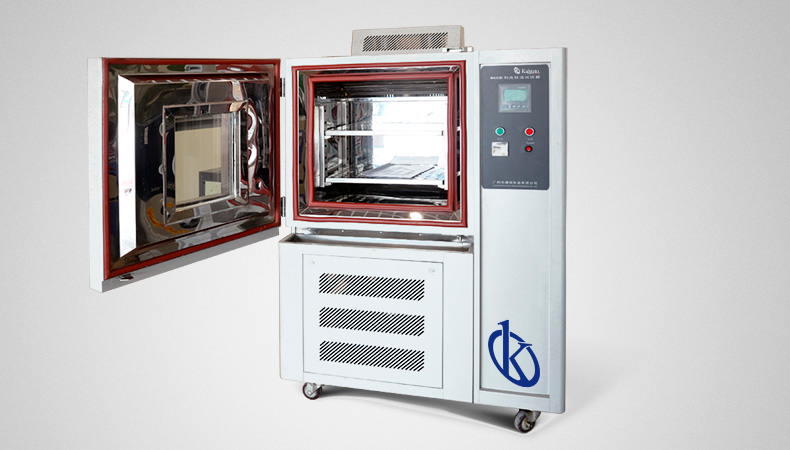
The stability chamber is an equipment that preserves samples, through studies involving climatic factors, as part of a productive or regulatory process. These studies are combined with variables such as lighting, temperature and humidity to define the conditions of stability and uniformity.
What is a Walk-in Climate Camera?
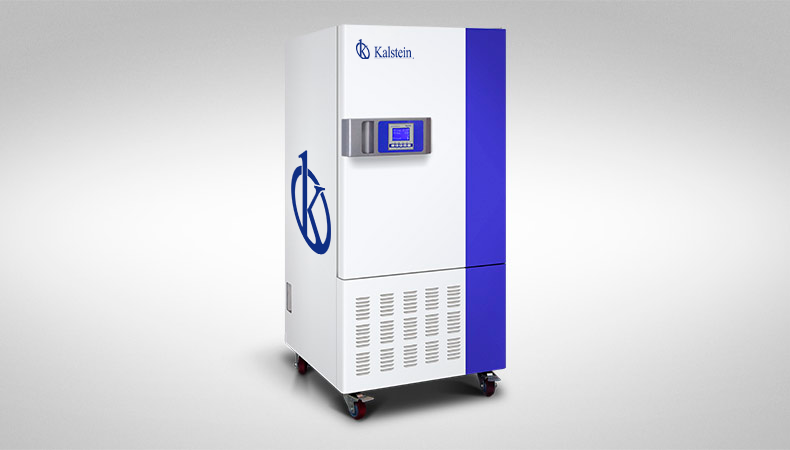
A controlled climate chamber is a space where different environmental conditions are faked to determine the behavior of the material to be tested. The cameras offer a wide range of applications such as environmental simulation, accelerated aging, quality control, materials and systems research, product stability study, wet conditioning, behavior analysis of animal and plant species, among others
What are the Main Applications of Climate Chambers?
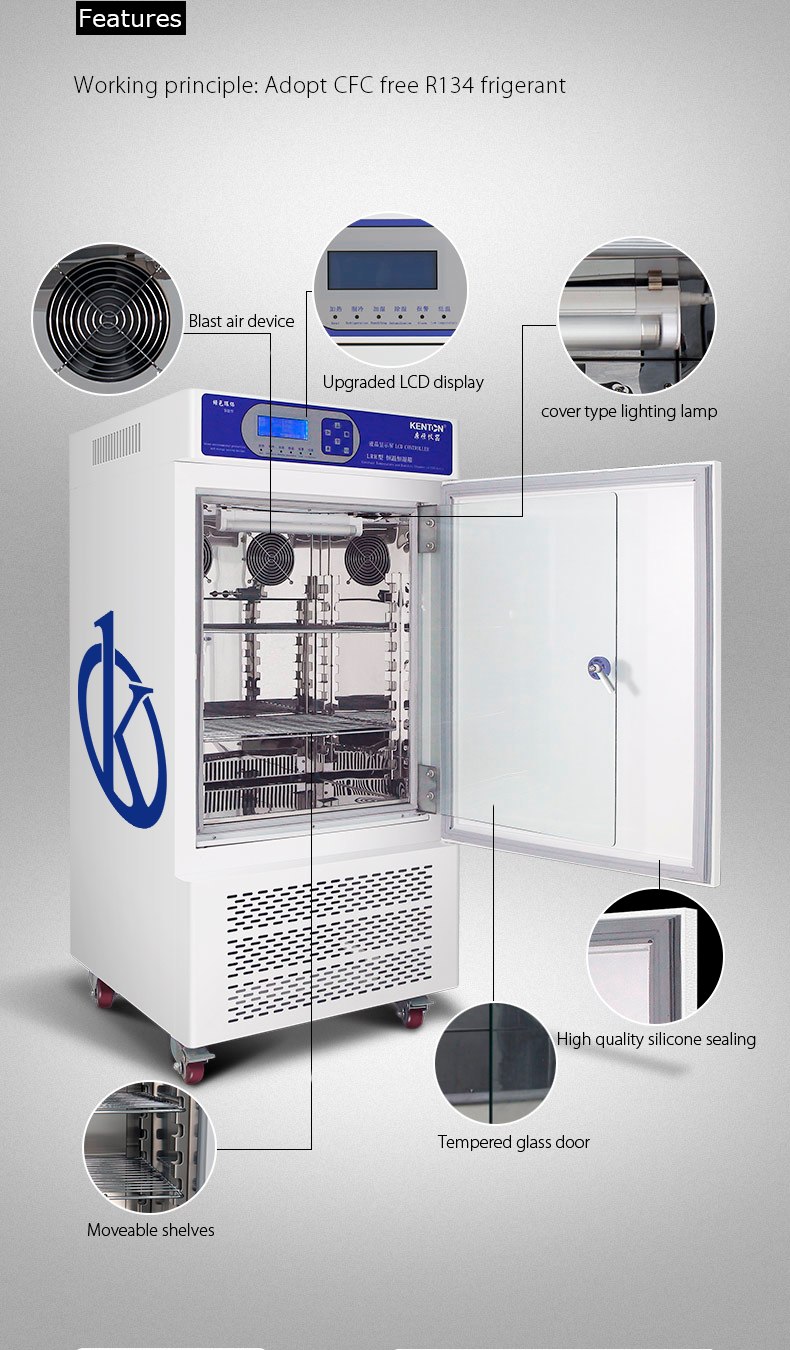
Climatic chambers are units used in laboratories, research centers and universities to carry out studies or tests and check the behavior, durability, quality of products and materials exposed to these climatic conditions.
Climate Chamber Benefits for Fish Farming
The climate chamber can be used to control light from a room or a specific area, it can be used to keep the light constant or to vary it according to needs and the camera is commonly used to control light from a laboratory or a greenhouse. It can also be used to filter the air in a room or a specific area or to filter pollutants.