
Why is it important to use the Baby Scale?
A baby scales, is an electronic unit capable only to weigh the baby, so it has a large and super comfortable tray so that the baby feels comfortable during the process. These electronic units provide various additional functions besides weight, such as memory and record differentiated from the previous weight.
What are the technical characteristics of an analytical balance?
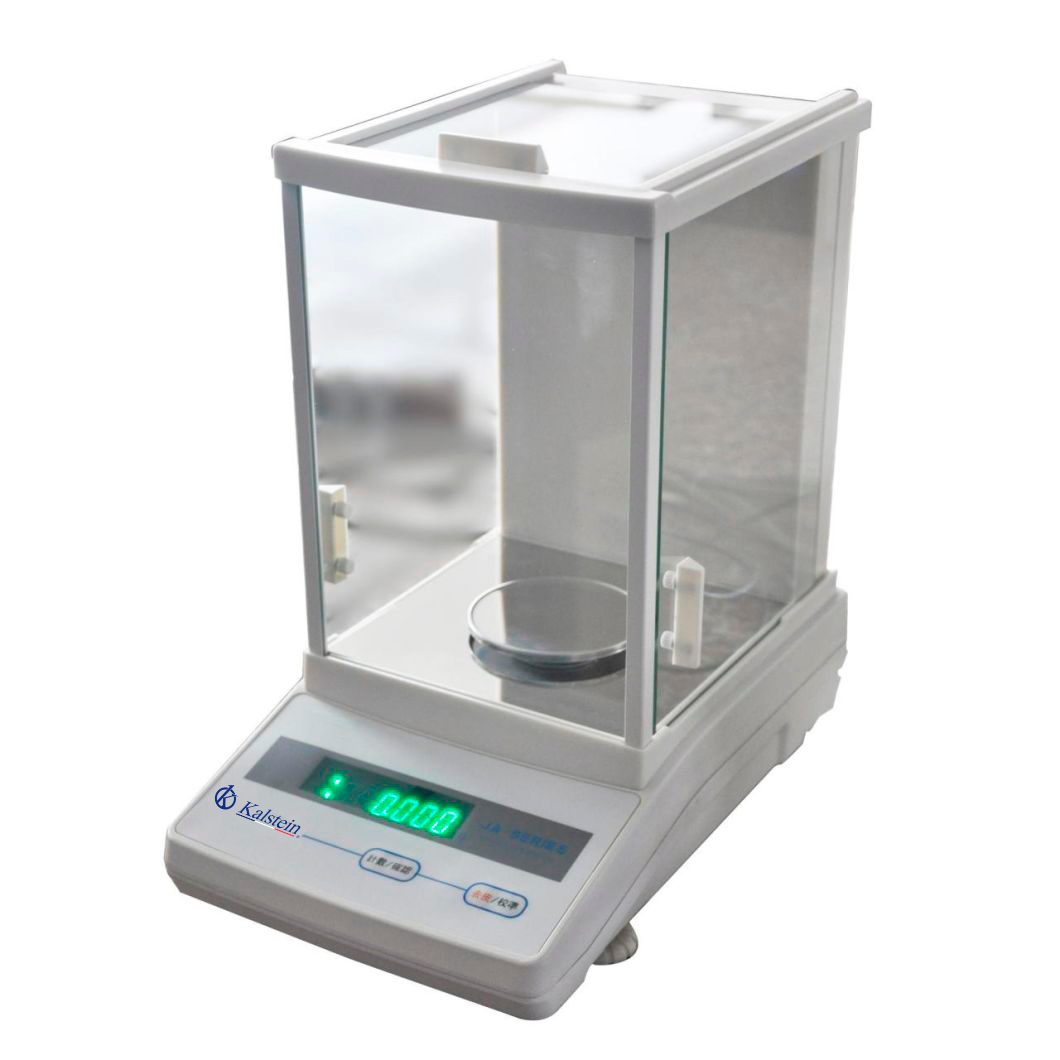
An analytical balance is a laboratory instrument capable of providing fairly accurate measurements, as they are equipped with a system capable of measuring minimal differences in mass. They are usually designed with a transparent box with doors for the door, which isolates the balance from factors that may affect its operation and operation.
Laboratory balances: kilos, grams, micrograms
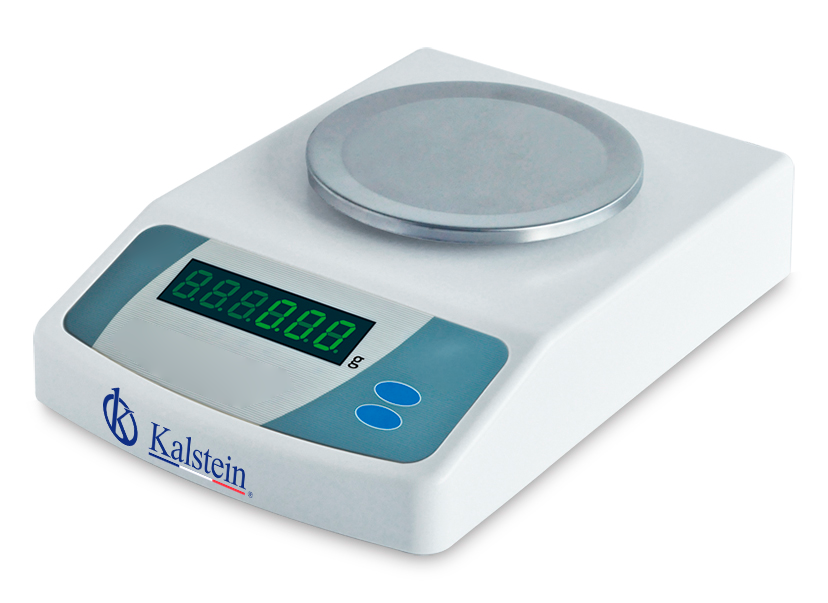
Mass is one of the quantities that needs to be evaluated in the laboratory, either to prepare reagent solutions, specimens or samples for a given analysis, with the accuracy and precision required by the quality of the study to be carried out.
How to choose the ideal Balance for your Laboratory?
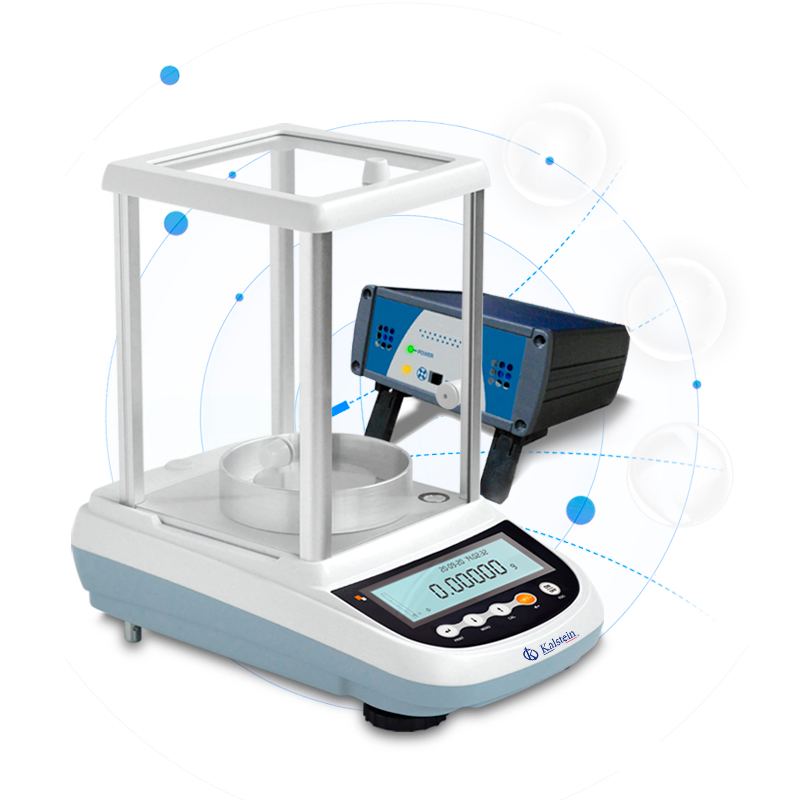
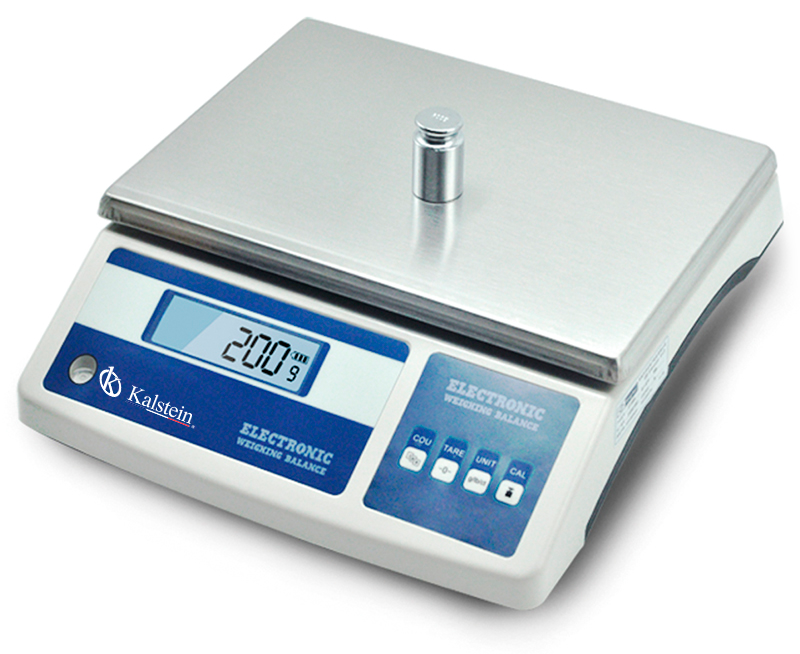
It is essential to know the functions offered by the scales that suit the requirements of the laboratories, and for this, it must take into account the design, size, calibration capacities, weighing capacity, weighing units (grams, kg and / or lbs.), margin of error and battery durability. Based on this, the analytical balance meets the requirements within the laboratories, offering more accurate results, and easier reading.
Laboratory scales: care and maintenance
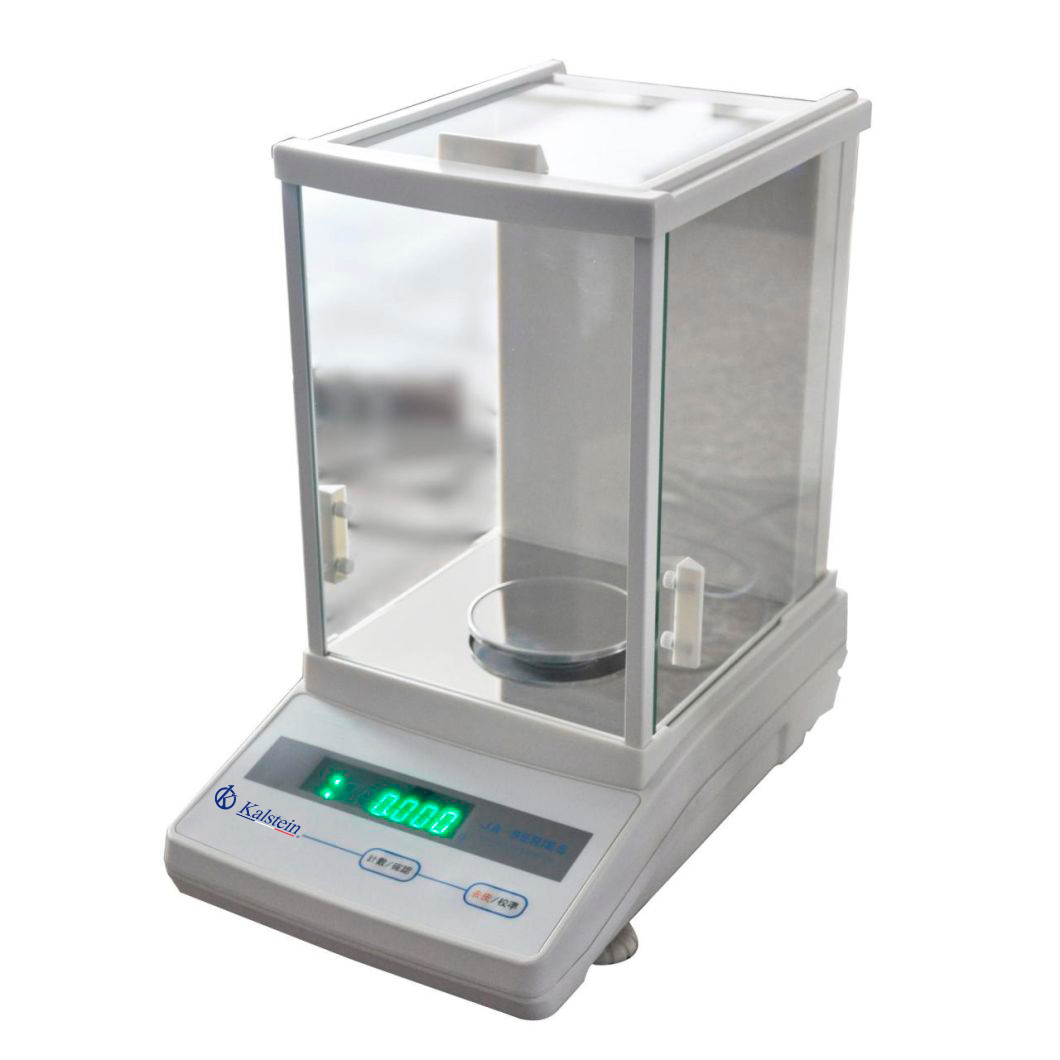
These instruments are characterized by providing accurate weighing, so they are used in industries and clinical laboratories, where highly accurate weighing is required, so they must always be in the most optimal conditions guaranteeing their function; the variety of applications that have the scales requires that the staff perform proper maintenance and care.
How does the Baby Balance work?
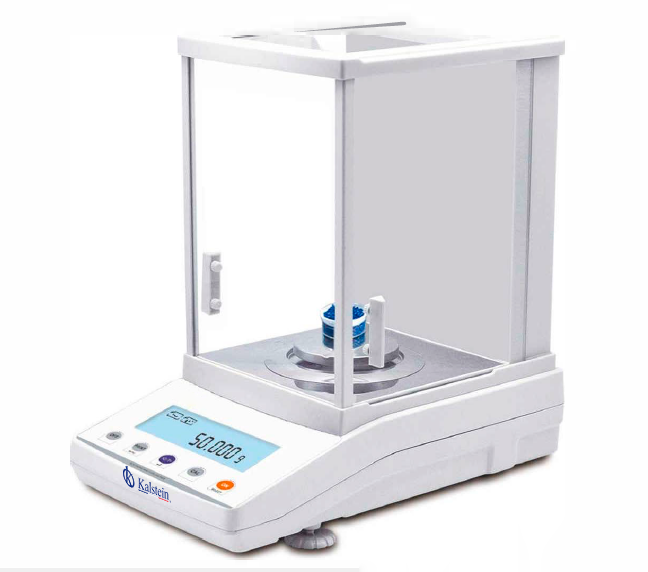
Baby scales are weighing instruments for young children, and for this, the scales must be equipped with a weighing surface, especially concave shape, to be able to secure and protect the baby. Some scales have a removable tray that becomes a scale for older children.
Preservation of Food with the Use of Combined Freezers
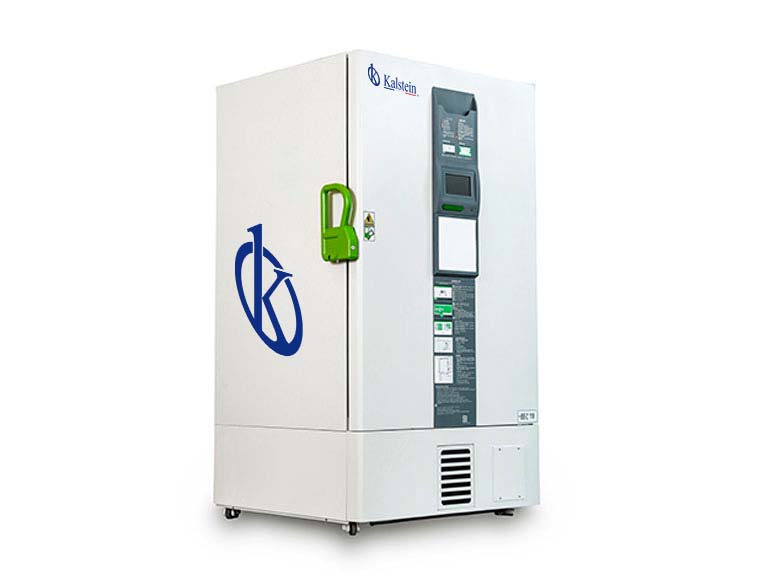
Freezing food is a process done to preserve food for an extended period of time. The purpose of freezing foods is to prevent the proliferation of microorganisms that cause food deterioration. Frozen foods are maintained in good nutritional and organoleptic status because contact with air and light is avoided, chemical reactions are reduced, and the metabolism of bacteria is disrupted. Freezing food can be done in several ways, but the most common is by using combination freezers.
Storing Hematological Plasmas with the Use of Laboratory Freezers
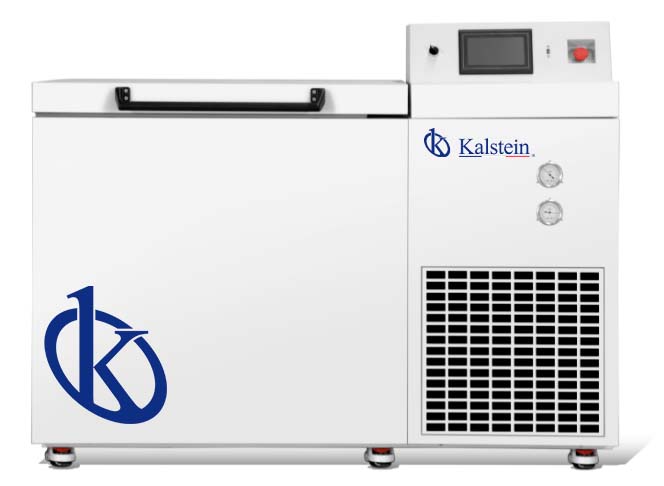
A laboratory freezer is a freezer used to store samples for scientific or medical purposes. These freezers are designed to maintain a constant temperature and prevent samples from thawing or freezing. They come in a variety of sizes and shapes to meet the needs of different laboratories.
Sterilization autoclaves, types and classes
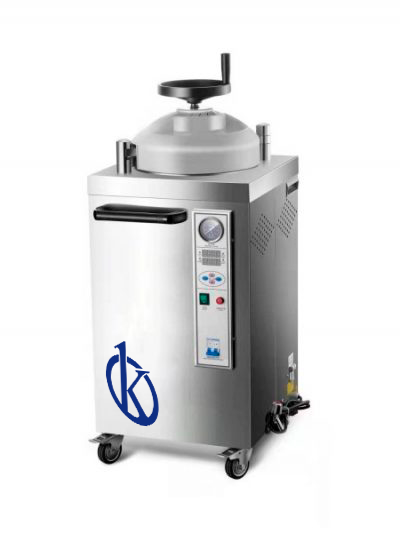
These equipment are especially used in laboratories to sterilize materials stable to heat, humidity and pressure; using a steam water pressure method, this being the most effective and fast; It allows to kill microorganisms, such as viruses, dangerous bacteria, sterilization uses the coagulation method to kill these microorganisms, there are materials that require a specific autoclave, depending on the conditions of the sample, according to the European standard EN 13060 of 2004, three basic classes of sterilization are distinguished.
Autoclaves: what are its parts and maintenance required?
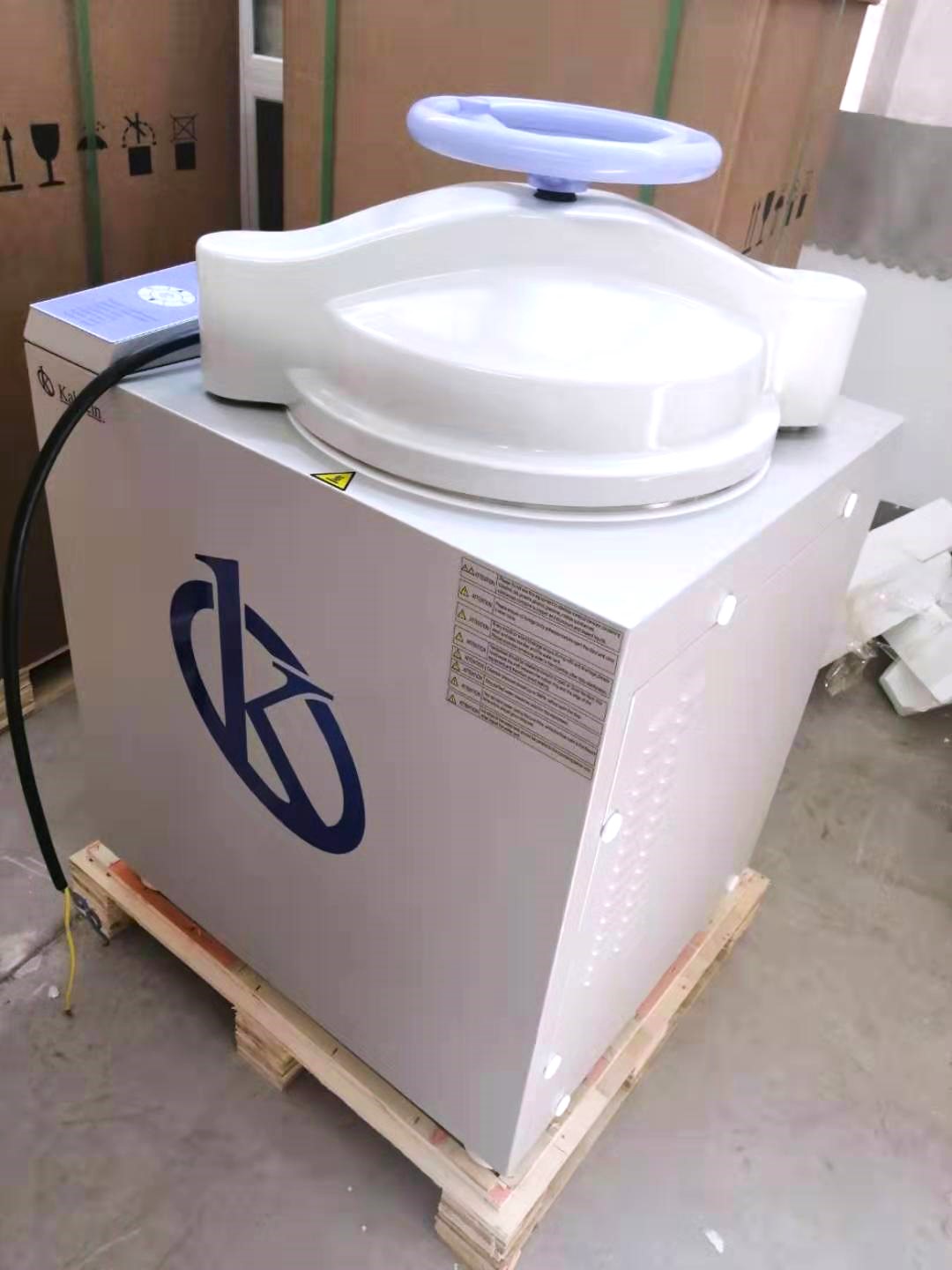
This equipment is indispensable in laboratories, clinics and surgical centers, as it is a fast, compact, versatile sterilizer; It is designed with high technology and cost-effectiveness, while offering operational efficiency and easy maintenance; the advantages of the autoclave lie mainly in the detoxification and sterilization of the material used in surgical treatments or research material; its primary function is as a sterilizing agent by treating water vapor at high temperature to destroy any microorganism found in the material.