
Conductivity Meter: what is it?
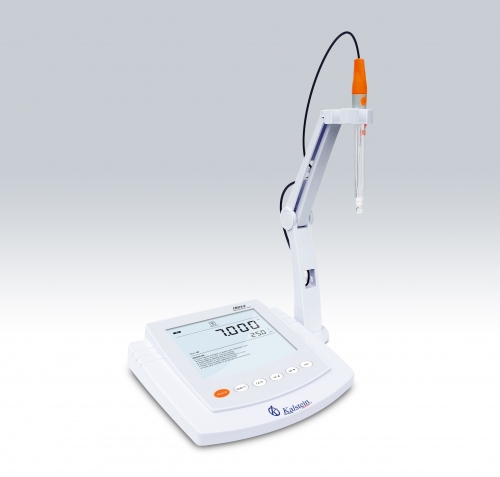
Conductivity is the ability of a material to conduct an electric current, that is, a measure of the total ionic concentration of a solution; the instrument used to know the conductivity or electrical charge in a body of water of natural origin is the conductivity meter and they are very common in any water treatment procedure or in environmental laboratories.
Importance of a conductivity meter in a laboratory
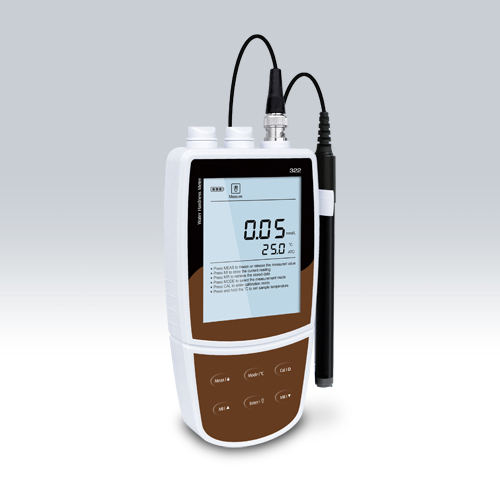
A conductivity meter or conductivity meter is a laboratory device that measures the electrical conductivity of the ions in a solution. For what applies an electric field between two electrodes and performs a measurement of the electrical resistance in the dissolution, usually the most used measure are S/cm, other alternative ways of expressing the conductivity are salinity and total dissolved solids (STD). They are quite common and important equipment in procedures involving water treatment and monitoring, as well as in environmental laboratories.
Laboratory conductmeter, operation
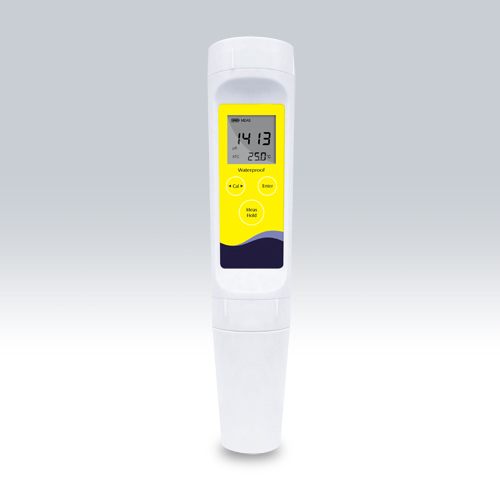
A conductivity meter or conductivity meter is a laboratory device, which is used to measure the amount of electrical current or conductance in a solution. That is, it is the instrument that is used to know the conductivity (electric charge) in water body, parameter that is useful to determine the general health of natural water bodies. It is also a way to detect changes in wastewater procedures at treatment plants.
Technical Recommendations for the Maintenance of an Ice Maker
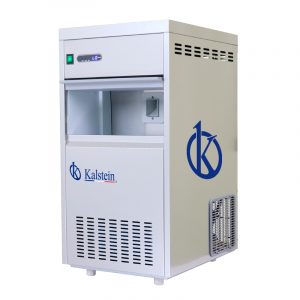
The ice maker is a critical team in health centers and laboratories worldwide. It turns out to be a great ally for healthcare use. Hospitals, laboratories, and research centers generally must have ice-making equipment to preserve samples that must be kept at cold temperatures. For example, in trauma or physiotherapy units, they use ice as a method to deflame; they are also used to store organs when they require emergency transfer, and allow organ storage to reach their destination in perfect condition.
Ice maker: What technology do you use?
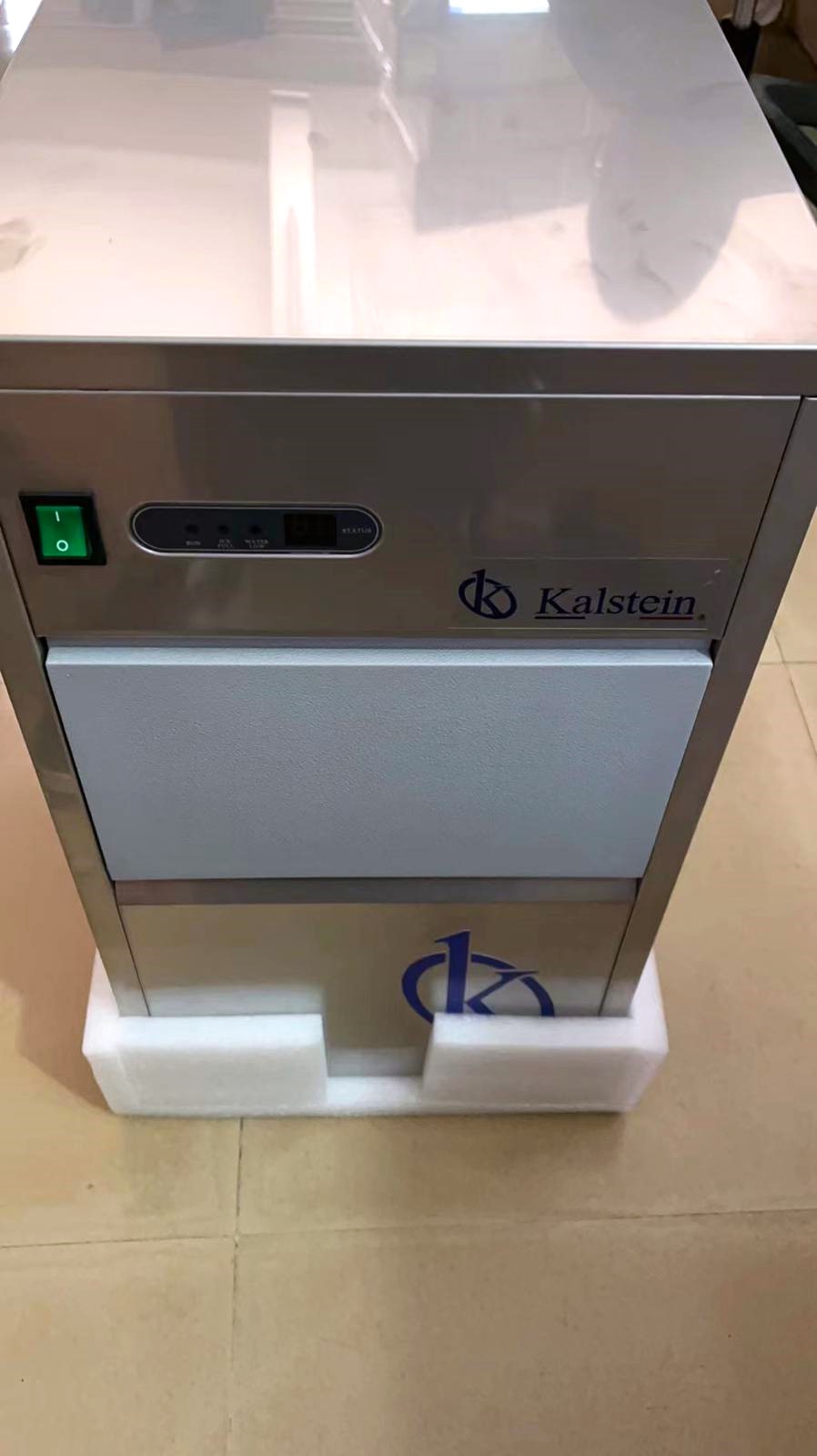
Ice ice makers are specialized equipment that possess the ability thanks to their structure to produce large quantities of ice for disposal in any area or procedure required within the laboratory or other institution. They work by increasing the efficiency of ice production and by supplying large quantities of this element for the various procedures required.
Why is a flake ice maker important in a lab?
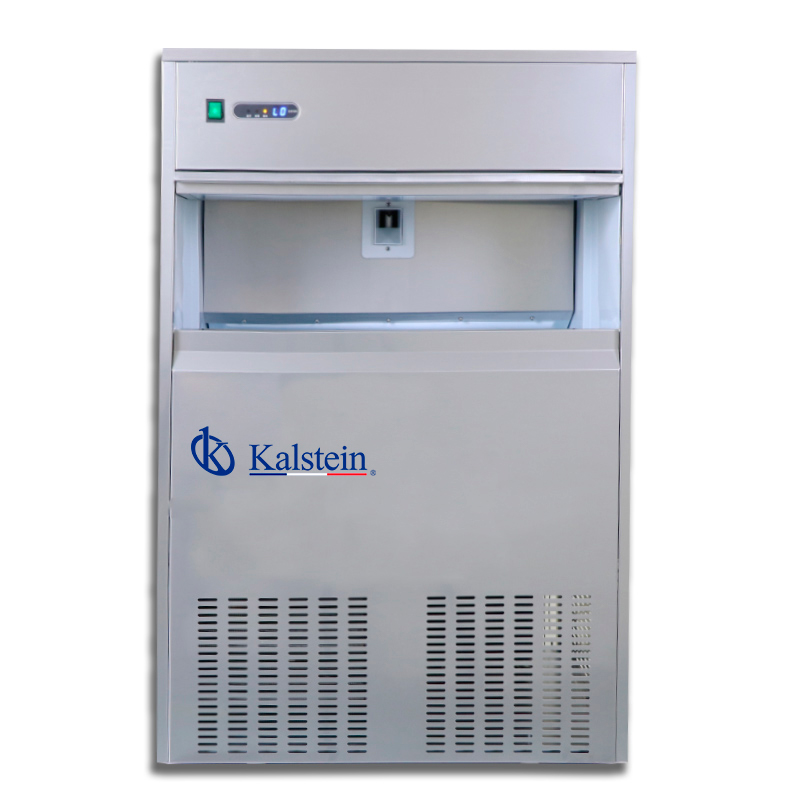
The importance of this type of ice is in its wide variety of uses due to its practicality and versatility, it is a dry ice and subcooled commonly in very small fragments, it has a presentation in very thin layers of two to three millimeters thick, this depends on the equipment manufacturer, in our case in kalstein we offer you a completely computer controlled ice making process, using imported computer chips for reliable control and easy operation.
What are the capabilities of an ice maker?
An ice maker is a piece of equipment where the water is poured into a tray that has a specific format to shape the ice that you want to create. The tray freezes slowly and gradually in layers until the water freezes completely and creates the ice cubes. Once the correct temperature is reached, the tray heats up enough to allow the cubes to separate. The cubes are deposited in the storage tank.
Ice makers: Recommendations and care
Ice makers are machines that make ice from moving water, as opposed to the traditional method of making ice, where the water is frozen. They are very useful equipment in the health and research sector, so it is essential to carry out proper maintenance and follow a series of steps to care for them.
Uses in a laboratory of the Ice Maker
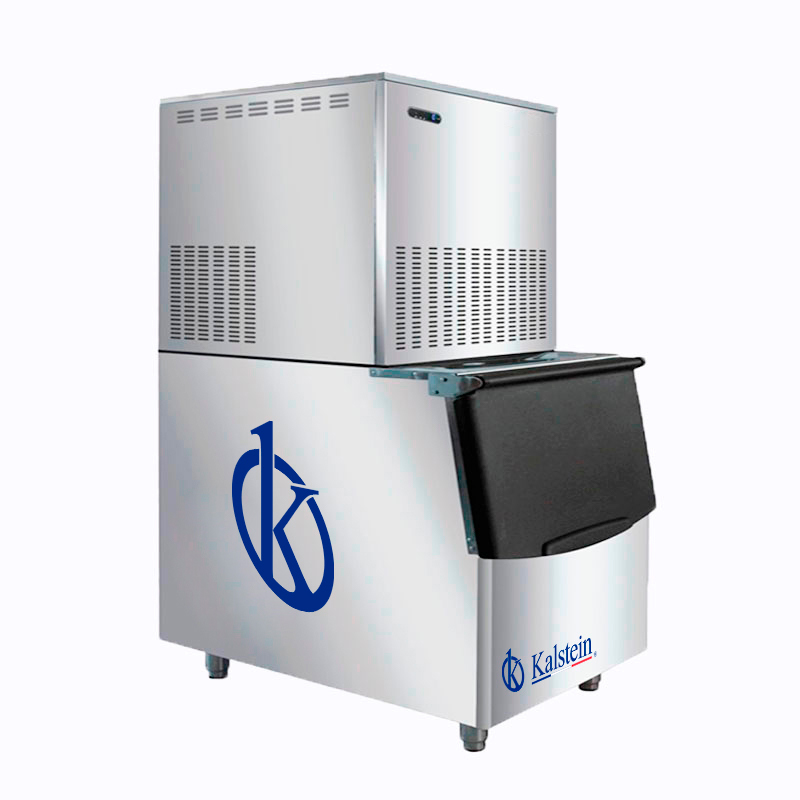
An ice maker is a machine for making ice. This machine produces the ice from moving water, the difference from the traditional method of making ice, where the water is frozen. This principle results in the air being removed, as well as the suspended solids.
Advantages of Ice Maker for Shops
The ice maker is equipment that can be found in bars, restaurants, hotels, fruit shops and in fish shops to produce ice and cool drinks, food or bottles. Before going on to know what are the advantages of an ice maker, it is necessary to know the process of ice formation, the types of cubes and their characteristics.