
Why is a hot plate important in a laboratory?
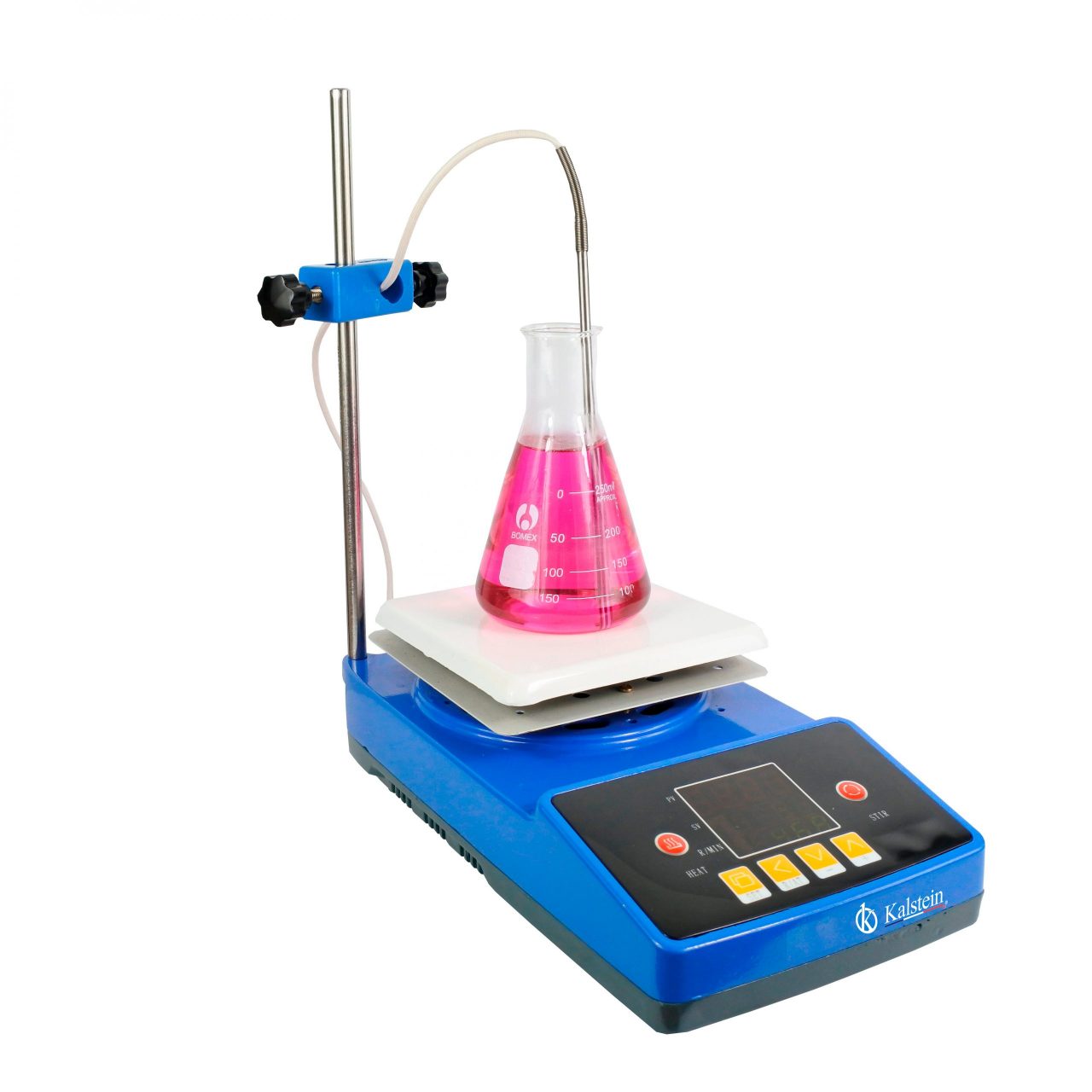
A hot plate is crucial laboratory equipment for carrying out many of the processes carried out in laboratories, such as distillation, boiling, extraction, and preparation of chemicals and solutions at specific temperatures.
What are the different types of heating plates that exist?
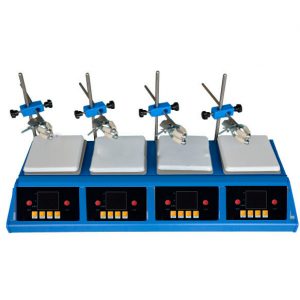
These are laboratory instruments are small appliances that have one or more elements of electric heating, in addition they have a structure resistant to chemical spills, as well as corrosion; its main purpose is to heat containers of different materials with liquid content, always uniformly and controlled; we can find on the market different models with specific features that will depend on your applications.
What Are Heating Plates Used For In A Laboratory?
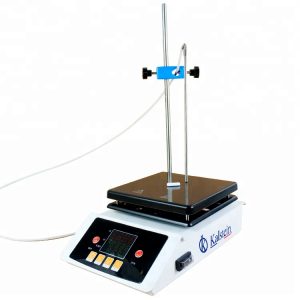
Heating plates or plates are small laboratory instruments that have a structure of excellent resistance to chemical and mechanical attacks, as well as corrosion in general, this tabletop device is portable and autonomous, has one or more electric heating elements, allows heating containers with liquids in a controlled way.
Using the Microplate Reader for HIV Testing

In health companies, they perform laboratory practices with appropriate equipment for the detection of the Human Immunodeficiency Virus or well known as HIV, using special techniques such as ELISA or by its acronym in English Enzyme-Linked ImmunoSorbent Assay, or Assay for Enzyme-Linked Immunoabsorption.
How is the Elisa technique for detecting allergens in food?

Allergens are those substances that give way to allergic reactions, as a product of a response of the immune system to the appearance of foreign agents in the body. This reaction that occurs, does not happen in the same way in all people, occurs only with those sensitive to a specific antigen, which will make the immune system of the body captures them as dangerous or foreign, activating an inflammatory response to fight against them.
Use of Microscope for Tissue Analysis Caused by Hantavirus (SPHV)

Hantavirus is a zoonotic viral disease caused by the hanta virus, the carriers of this infectious agent are rodents, especially mice. The virus is present in the excrement and urine of these animals, infecting humans by contact and inhalation, or by being bitten by a rodent. It should be noted that this virus does not cause disease in the animals that carry it.
Horizontal and Vertical Electrophoresis: Differences
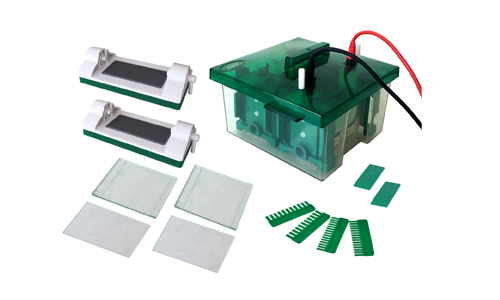
Gel electrophoresis is a laboratory technique used in genetics to separate mixtures containing DNA, RNA and other proteins according to their respective molecular charge and size. The DNA, RNA, or proteins to be separated in this method are executed through a gel containing small pores. The molecules are conducted through the gel by an electric field.
Multiple myeloma and protein electrophoresis
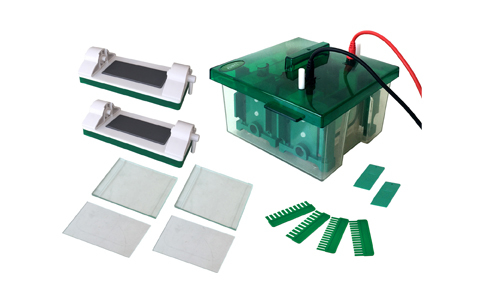
Multiple Myeloma is a multifocal plasma cell neoplasm that affects the bone marrow and is associated with the production of a serum and urine monoclonal protein. The cause is progressive unregulated proliferation of plasma cells that accumulate in the bone marrow. These cells secrete immunoglobulin (Ig) excessively; typically: IgG 57%, IgA 21%, IgD 1%, IgM, IgE, only rarely in 18% of cases of light chains alone. Proliferation of multiple myeloma interferes with the normal production of cells in the bone marrow and typically results in anemia. Leukopenia and thrombocytopenia occasionally occur. Another feature is that multiple myeloma cells secrete certain osteoclast-stimulating and osteoblast-inhibiting substances that result in exaggerated destruction of bone tissue with subsequent pathologic fracture, in many cases hypercalcemia.
What are the principles of electrophoresis?
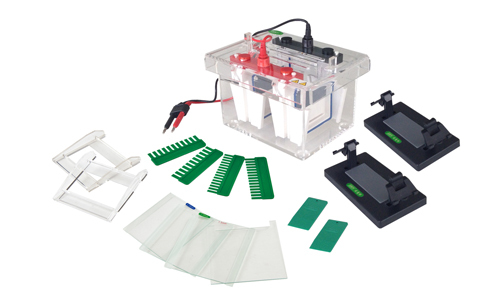
This technique is widely used in laboratories, especially in those of molecular biology, because it is used in important procedures such as separation, analysis and purification of RNA, DNA, or proteins, nucleic acids, this process is done because most of the biomolecules have an electric charge where its magnitude depends on the pH of the environment in which they are, because of this the biomolecules move when they undergo an electric field to the charge pole opposite the molecule.
Electrophoresis chamber
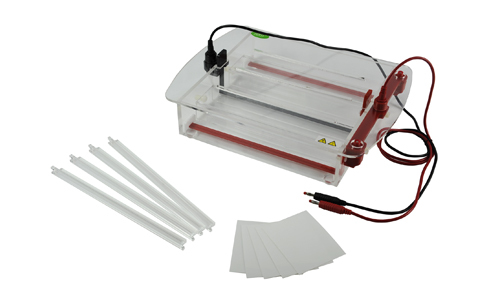
The electrophoresis chamber is the device in which the sample is introduced for this process, and where the electromagnetic field that is formed in the electrophoresis process is created, it takes place within a buffer solution in which the gel is immersed; the high concentration of electrolytes makes possible the transition of the electrical current. The principle of electrophoresis consists in the migration of molecules through the gel generated by the electromagnetic field according to the molecular weight and size. The gel has pores that act as a colator, causing small molecules to move faster than large molecules. In the chamber there are two poles that connect to the power source.