
What are the types of lights for an operating room?
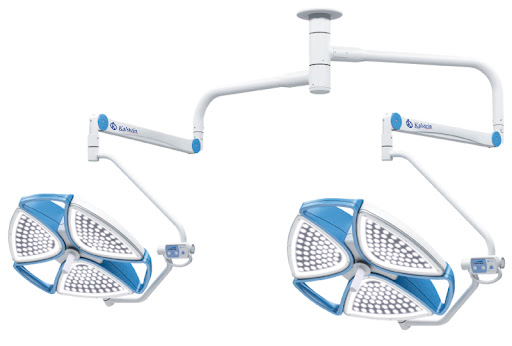
The use of lights within the surgical space should be designed primarily, within the operating rooms that exist in hospitals and outpatient surgery centers, but also, can be handled elsewhere in health centers, to provide high quality lighting for the procedures that are performed in these places.
What type of lighting should an operating room have?
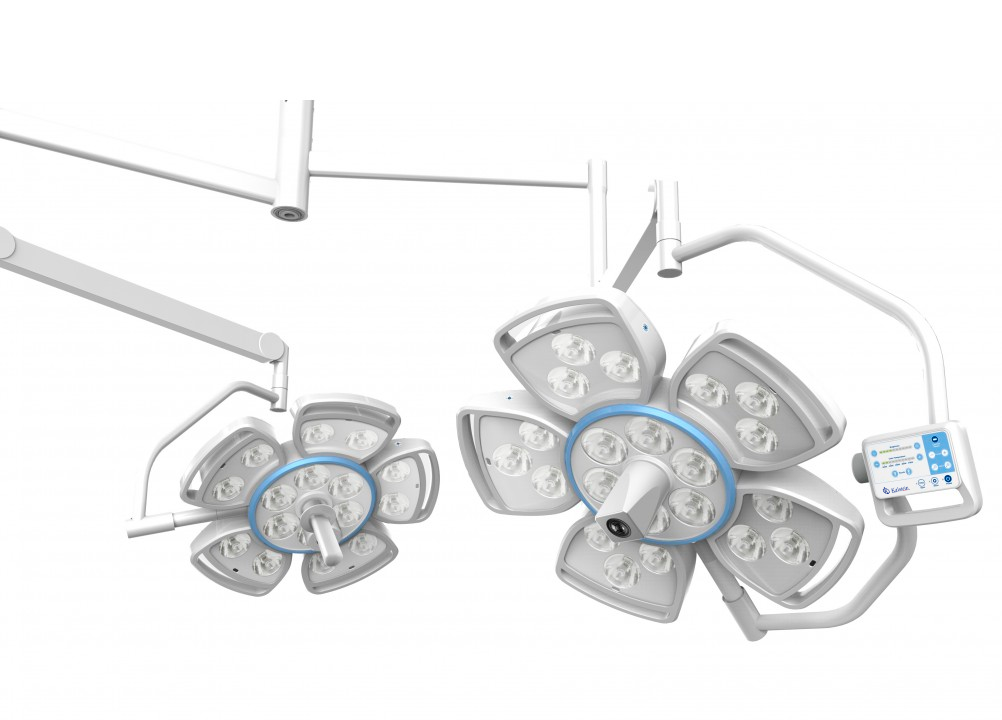
Firstly, the importance of lighting in operating rooms is a fundamental element for a correct surgical intervention, obeying that the environment of professionals is the most appropriate, to optimize the conditions of this type of work so critical.
Surgical gas discharge lamps?
First of all, gas discharge lamps, made of halogen gas and quartz glass, are resplendent and provide a very intense and bright white light. For years, they were the best operating room lighting on the market. The closest thing to the traditional incandescent lamp that used to be used in the home.
What are the standars for lighting an operating room?
The illumination of an operating room is essential for doctors to develop their interventions correctly, allowing to guarantee the health of patients. All lighting depends on the environment and maintains a correct clarity without generating any glare, in addition to avoiding eye fatigue for optimal medical performance.
Use of the Electric Wheelchair in patients with Myasthenia Gravis
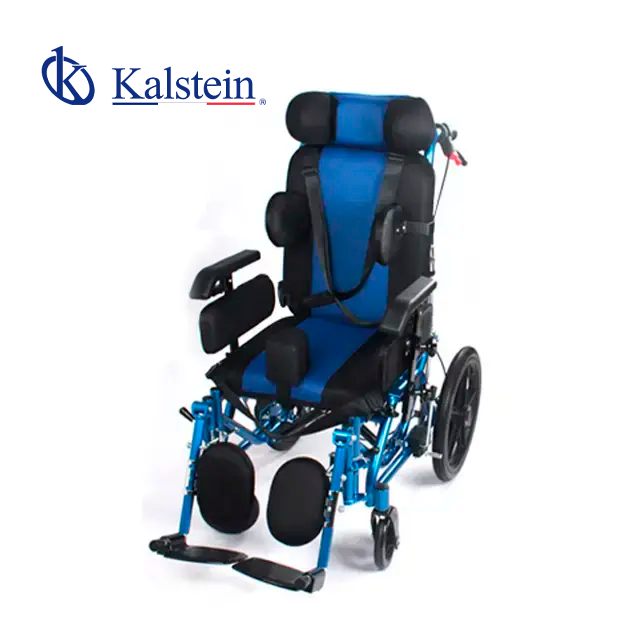
Myasthenia gravis is a disease that has no cure, but nevertheless has a treatment that relieves pain caused by symptoms. This disease is characterized by affecting the voluntary or striated muscles, this occurs because it generates a breakdown in communication between muscles and nerves. Symptoms include weakness in leg and arm muscles, drooping eyelids, double vision, and difficulty speaking, swallowing, chewing, and breathing.
Wheelchair Benefits for Patients with Sensory-Motor Neuropathy
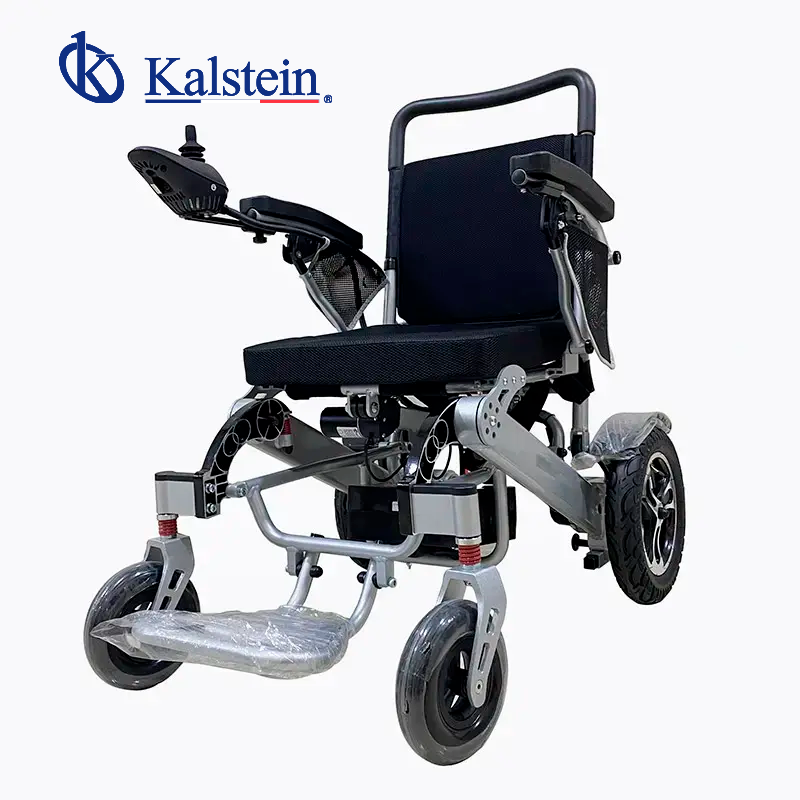
Peripheral neuropathies are a group of various acquired or inherited disorders that cause damage to peripheral nerves—nerves outside the brain and spinal cord. These nerves carry sensations to the brain and control movement of the legs and arms, including the intestines and bladder. These conditions are painful, sometimes incapacitating, and even fatal.
What are the parts of a Wheelchair?
The wheelchair is a support instrument used for the movement of people who have problems with partial or total mobility. This equipment designed to help and facilitate the transfer, has a material that makes it resistant without being difficult to carry, besides it has side wheels that make the mobility of a person more comfortable. With the help of this type of personal car, people can take tours on any surface and public space.
What are the advantages of using wheelchairs?

The wheelchair is a technical instrument used by all those who have motor disabilities related to the loss of locomotion, or who have reduced mobility, either as a result of injuries, psychological illness, or physical illness such as paraplegia or quadriplegia, among others. Because this equipment is made of lightweight and resistant materials, the user can fold, lift and store it.
Benefits of Wheelchairs for Alzheimer’s patients
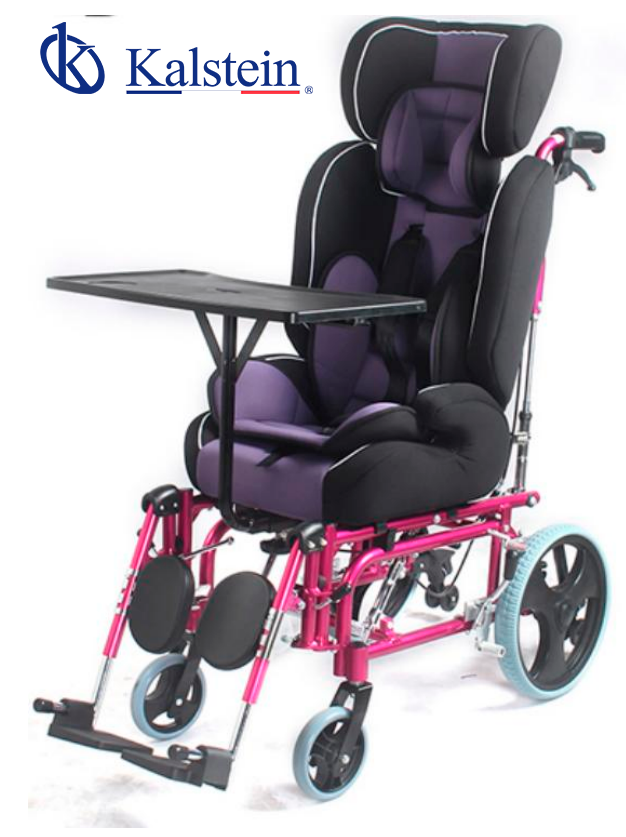
Alzheimer’s is a progressive neurological disease that causes atrophy in the brain and causes the death of brain neurons. Alzheimer’s, is a type of dementia that generates a continuous deterioration in the thought, behavior and social skills of a person. Symptoms due to this disease develop slowly and eventually worsen to the point that they are so severe that they interfere with a patient’s daily tasks.
When should Wheelchairs be used?
The wheelchair is a specialized equipment that helps in the movement for people who suffer from some kind of illness or injury that make it impossible and difficult to move. Depending on the type of condition that the user has, the wheelchair can be a technical aid that allows one to carry out daily activities independently. Regardless of the situation of each person, the wheelchair is a comfortable and adaptable device.